
News Details
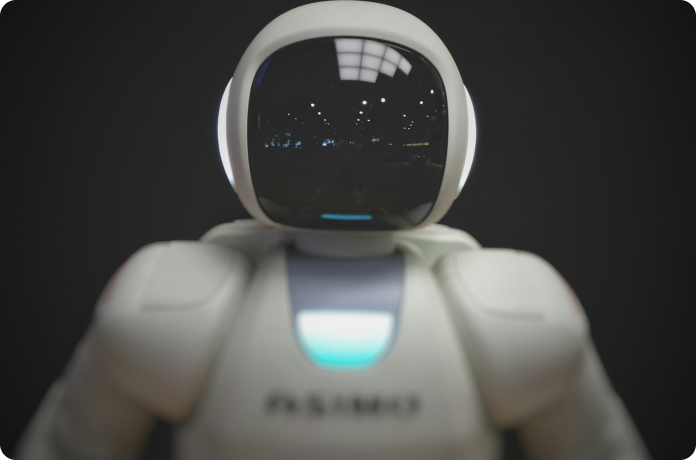
Artificial Intelligence : Shaping the Workforce and Industry of Tomorrow
In an era marked by rapid technological advancements, artificial intelligence (AI) is poised to redefine the workforce and reshape industries across the globe. As AI technologies continue to evolve, they are creating new opportunities for growth, efficiency, and innovation while also sparking discussions about the future roles of human workers in an increasingly automated world.
AI-driven automation is revolutionizing various industries, from manufacturing and healthcare to finance and customer service. Machines and algorithms are now capable of performing tasks that were once exclusively the domain of human workers, such as data analysis, decision-making, and even creative processes. This shift allows businesses to operate with unprecedented precision, speed, and scalability, but it also raises questions about the impact on jobs and the skills required for the workforce of tomorrow.
One of the most profound impacts of AI on the workforce is the rise of “augmented intelligence,” where AI systems work alongside humans to enhance their productivity and decision-making. In fields like healthcare, AI-assisted tools enable doctors to diagnose diseases more accurately, while in manufacturing, robots and AI-powered machinery streamline production processes. This collaborative approach between humans and machines promises to create new roles and responsibilities, transforming traditional job profiles into tech-enhanced positions that require a blend of technical and interpersonal skills.
However, the shift toward AI-driven industries is not without its challenges. Workforce experts emphasize the need for upskilling and reskilling initiatives to prepare employees for the jobs of the future. Skills in data science, machine learning, and digital literacy are becoming increasingly valuable, and industries are working closely with educational institutions to create programs that equip workers with the necessary knowledge and abilities.
As AI continues to shape the workforce and industries, a balanced approach will be essential to maximize the benefits while addressing potential risks. With responsible and ethical AI practices, businesses, governments, and communities can work together to ensure that AI contributes positively to society and the economy. The future of work may look different, but it holds exciting potential for growth, innovation, and collaboration.